

Exploring the psychology behind casino decision-making What drives your bets
The Role of Emotion in Gambling Choices
Emotion plays a significant role in how individuals make decisions in a casino environment. High-stakes situations often amplify feelings such as excitement, fear, or anxiety. These emotions can cloud judgment, leading players to make impulsive decisions rather than rational ones. For instance, the thrill of winning can trigger euphoric feelings, motivating players to increase their bets, despite the inherent risks involved. Additionally, experienced bettors often explore betting sites uk to find platforms that align with their emotional strategies.
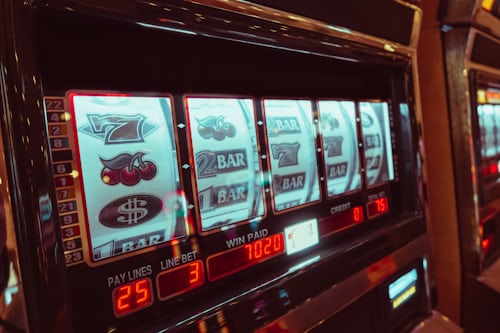
Conversely, negative emotions such as frustration after a losing streak can lead to chasing losses, where gamblers continue to bet in hopes of recouping their money. This emotional rollercoaster can create a cycle of highs and lows that significantly impacts decision-making processes, often resulting in less responsible gambling behaviors.
The Influence of Cognitive Biases
Cognitive biases are systematic patterns of deviation from norm or rationality in judgment, and they heavily influence casino decision-making. For instance, the gambler’s fallacy leads players to believe that past outcomes affect future events, such as thinking that a winning number is ‘due’ after a series of losses. This misconception can skew perceptions of odds and probabilities, prompting players to make bets based on flawed reasoning.
Another common bias is the illusion of control, where gamblers overestimate their ability to influence outcomes. This can lead to behaviors such as placing high-stakes bets on games that are purely based on chance, further complicating their decision-making process. Understanding these biases is crucial for developing a more responsible approach to gambling.
The Social Dynamics of Casino Environments
The social aspect of gambling can also significantly affect decision-making. Casinos are designed to create an atmosphere of excitement and community, often encouraging players to engage with others. This social environment can lead to herd behavior, where individuals mimic the betting patterns of those around them, impacting their own decision-making.
Moreover, peer pressure can influence betting choices, with individuals feeling compelled to participate in high-stakes games or risky bets to fit in. This social dynamic can detract from personal risk assessment and responsible gambling practices, making it essential for players to remain mindful of their own strategies and limits.
The Impact of Marketing and Design
Casino design and marketing strategies are tailored to attract and retain players, often impacting their decision-making processes. The use of bright lights, sounds, and comfortable seating creates an immersive environment that can distract gamblers from the reality of their betting. This sensory overload may lead to impulsive decisions, as players become engrossed in the experience.
Additionally, promotional offers such as bonuses and free spins can entice players to wager more than they initially planned. While these incentives can enhance the gambling experience, they can also encourage excessive risk-taking, making it essential for players to set clear limits and adhere to responsible gaming practices.

Resources for Responsible Gaming
Understanding the psychology behind gambling can empower players to make better decisions and approach gaming more responsibly. Many casinos and online platforms provide resources, such as self-assessment tools and guides on responsible gaming, aimed at educating players about the risks involved in gambling.
By taking advantage of these resources, players can cultivate a healthier relationship with gambling, ensuring that their betting decisions are informed and aligned with their personal values. Ultimately, responsible gaming not only enhances the enjoyment of the experience but also promotes safer practices within the casino environment.