


- How does Inclusion Matters build on Mastercard’s broader mission of inclusion by design, and why was sensory inclusion a priority now?
Inclusion Matters builds directly on Mastercard’s belief that inclusion needs to be intentionally designed into businesses and organizations, not added on as an afterthought. The initiative, piloted at this year’s Australian Open, is designed to rally businesses to create calmer more welcoming spaces for autistic people and sensory differences. At its center is the Inclusion Hub which features 25 measures that venues could adopt to create more inclusive environments. It continues the momentum we started last year in Singapore when we launched the Acceptance Matters campaign, which focused on building awareness, empathy, and understanding around autism and hidden disabilities.
This year, we wanted to take the next step and turn that awareness into action. Sensory inclusion became a natural focus because it is what shapes our everyday experiences, small or large. Dining out, attending events, spending time in public spaces…these should feel enjoyable and not stressful or uncertain, and for many, sensory sensitivities can create uncomfortable barriers to that enjoyment.
With one in 40 Australians being autistic, Australia was a natural place to launch this initiative— offering an opportunity to create meaningful impact from the very beginning with partners who share our ambition.We also saw an opportunity to bring inclusive innovation to the forefront by piloting the launch in tandem with one of our most iconic, high-energy platforms, the Australian Open, and show what inclusive design can look like in real, everyday environments.
2. What makes the Inclusion Hub different from existing inclusion or accessibility frameworks available to businesses today?
The Inclusion Hub is designed to be practical above all else. Rather than broad principles or abstract frameworks, the 25 clear, action-ready measures, can be applied to a business’ day-to-day operations such asoperational changes like quiet hours and staff training, all with guidance on how businesses can integrate these practices into daily operations.
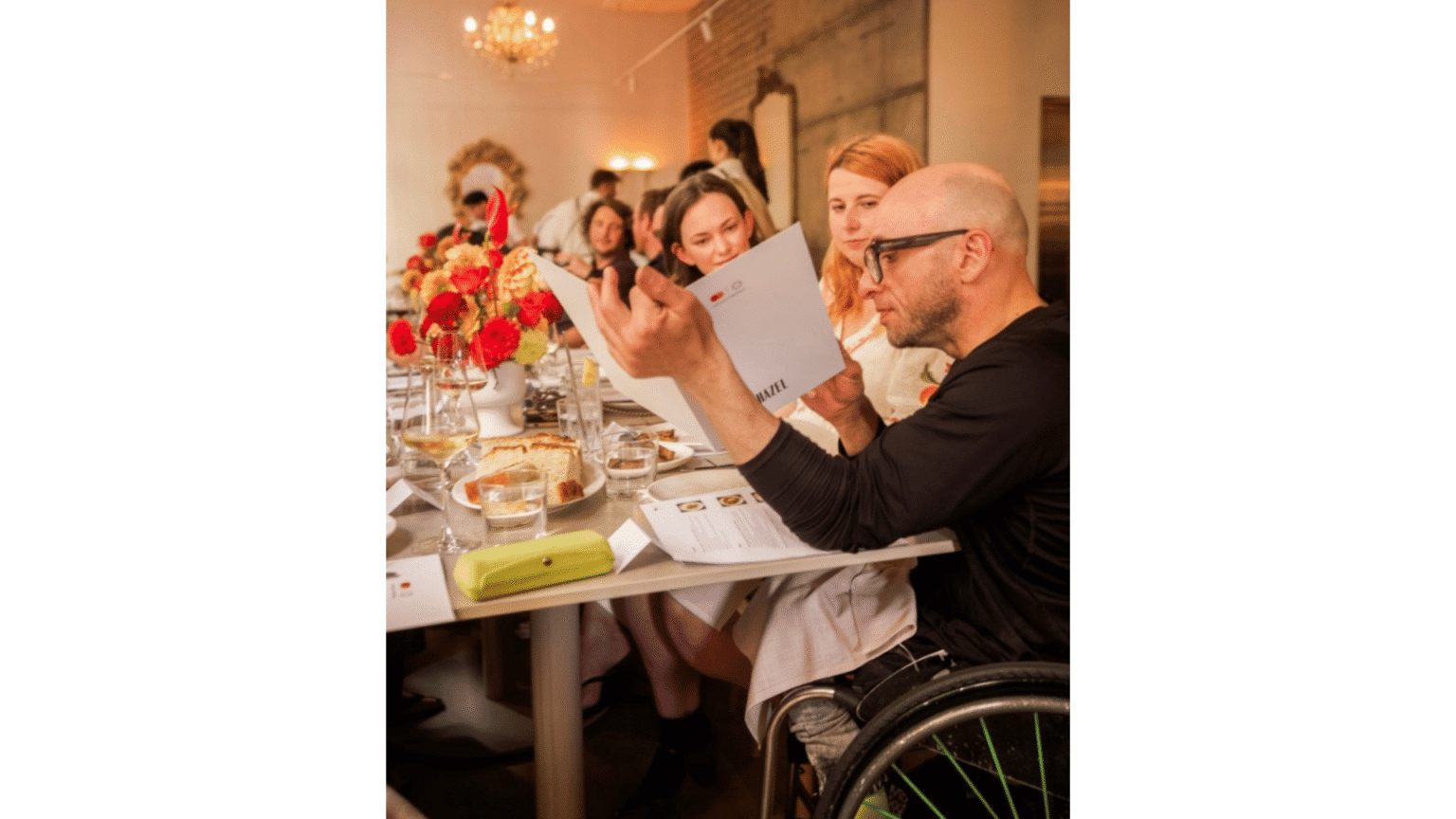
These practical actions were co-designed with Autism CRC, an Australian cooperative research effort focused on autism, and shaped by the autistic community and their families, so it’s grounded in lived experience which is crucial to creating genuine impact. Whether it’s quiet hours, staff training, or tools like Sensory Notes, (a new standardized menu format intended to help restaurant diners better understand dishes through sensory descriptions), the focus is on changes that genuinely improve how people experience a space. For example, the launch at the 2026 Australian Open saw sensory notes QR codes added tomenus at Wonder Pies and Peach Melbourne venues across the event, as well as The Mulberry Group’s Hazel Melbourne (who hosted a sensory notes launch event attended by the autistic community) who have made the addition of sensory notes a permanent change to their menu design.
We want businesses to know that what matters most is taking that first step toward becoming more inclusive, and so we want to give them tools that make the process straightforward, seamless, and easily integrated into their everyday operations, rather than something separate or complex.
3. How can businesses of different sizes realistically engage with the Inclusion Hub, especially those who may feel inclusion initiatives are too complex or costly?
One of the biggest barriers to inclusion is the belief that it’s complicated or expensive. We created the Inclusion Hub specifically to challenge that.
Many of the measures are simple, low-cost changes. For example, clearer communication, better staff awareness, or providing information upfront so people can make informed choices. For example, Sensory Notes, a new kind of restaurant menu designed to describe dishes in sensory detail, giving autistic people and those with sensory sensitivities more confidence when dining, can be adapted to suit any F&B venue, from a small café to a large hospitality group.
Businesses can explore the Inclusion Hub, choose what feels right for them, and build from there. There’s no one-size-fits-all model and no expectation of perfection, just the intention to make progress over time.
4. Do you see sensory inclusion becoming a standard consideration in customer experience design, and how does Mastercard think about and champion inclusive innovation more broadly?
Yes, absolutely. We believe sensory inclusion will increasingly become part of how customer experiences are designed.
Sensory Notes are a good example of how inclusive design can be subtle but powerful. By sitting alongside familiar menu icons and dietary symbols, they normalize the idea that extra information can help people feel more confident, without singling anyone out.
Legal Disclaimer: The Editor provides this news content "as is," without any warranty of any kind. We disclaim all responsibility and liability for the accuracy, content, images, videos, licenses, completeness, legality, or reliability of the information contained in this article. For any complaints or copyright concerns regarding this article, please contact the author mentioned above.